What Is Imposter Syndrome and Why It Stops You From Shipping Your Work
Imposter syndrome is the feeling that you are a fraud, even when you are not. It means you doubt your own skills and believe that your success is the result of luck, not real ability. For remote workers, freelancers, and founders, this feeling is extremely common, and it has a specific, practical cost: it stops you from finishing and shipping your work.
If you have a project sitting half-done, or a product you keep saying is "not ready yet," imposter syndrome may be the real reason.
What Is Imposter Syndrome, Exactly
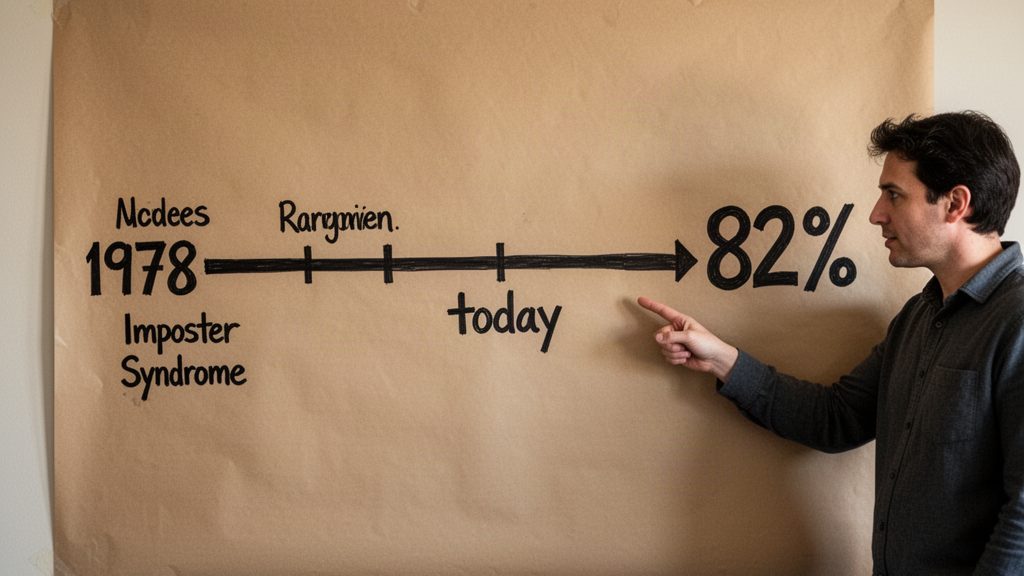
Imposter syndrome was first described in 1978 by psychologists Suzanne Imes, Ph.D., and Dr. Pauline Clance, Ph.D. They noticed that capable, accomplished people kept believing their success was not earned. They called it "imposter phenomenon" then, documenting how accomplished people attributed their achievements to luck, timing, or deception rather than competence.
Imposter syndrome is the feeling that you are a fraud in a particular area of your life, regardless of your actual skills, abilities, and achievements. If you have imposter syndrome, you may think that you have somehow tricked others into believing you are more competent than you really are, and you fear being exposed. While not a diagnosable mental health condition, imposter syndrome can negatively impact your life in a variety of ways.
One important thing to know: imposter syndrome is paradoxically high in individuals who are capable and highly talented, and not in individuals who really are imposters. In other words, if you feel like a fraud, it is often a sign that you care deeply and are working at the edge of your abilities. That is not a weakness. It is just a pattern you need to recognize and name.
How Common Is It
Very common. A 2022 study found that 82% of workers experience imposter syndrome at some point in their careers. The scary thing is that it is much more common than we like to admit. Its very nature makes us think that we are the only one going through it, but that is simply not the case.
Why Remote Workers and Freelancers Feel It More
Working alone makes it worse. Spending so much time on one's own can cause individuals to get stuck in their own heads and overthink things. Human beings are wired to work in social settings where we often receive positive feedback. As freelancers, even in co-working spaces, we are alone for much of the time. This isolation puts us at risk for anxiety and removes opportunities for feedback.
Remote workers have a lot of freedom and autonomy, and sometimes with that comes less feedback than an individual may be used to. Less feedback means your brain fills the gap with doubt.
If this resonates, the broader experience of working alone is worth understanding. The unspoken side of digital nomad life covers more of that territory honestly.
How Imposter Syndrome Stops You From Shipping
This is the practical part. Imposter syndrome does not just make you feel bad. It produces specific behaviors that directly prevent you from completing your project. There are two main patterns.
Pattern 1: Perfectionism
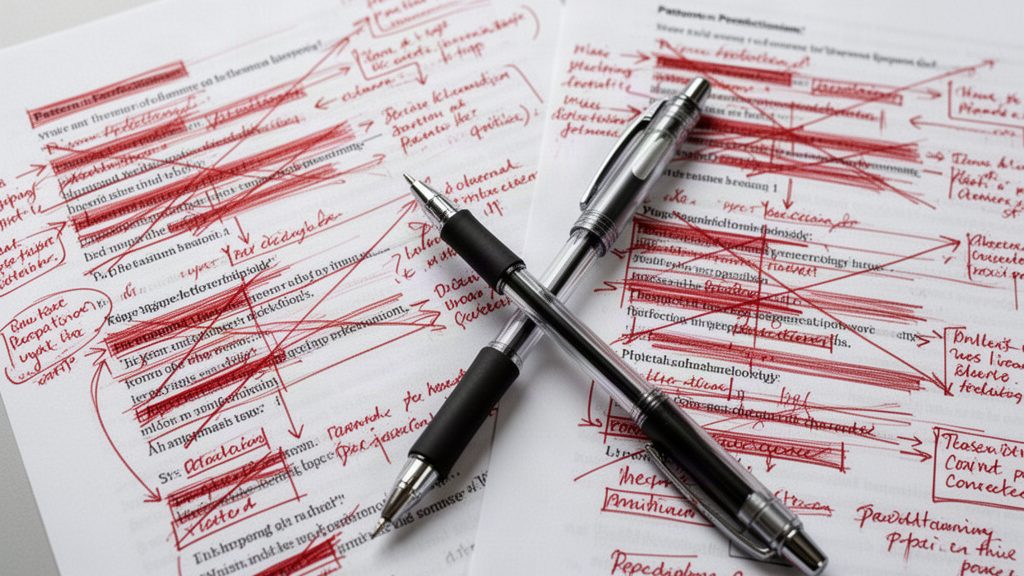
Two ways that imposter syndrome contributes to procrastination are perfectionism and self-handicapping. If you spend hours refining, tweaking, and redoing your work, then you have fallen into procrastination through perfectionism.
This is classic in the "inventor" archetype of entrepreneur who is constantly tinkering, working on the "next best mousetrap," but never shipping it.
The loop looks like this: you believe the work is not good enough, so you keep editing. The more you edit, the more flaws you find. The anxiety that goes along with worrying about being "discovered" as a fraud at work might lead you to obsess over your work to an unhealthy degree. By obsessing over unimportant details too much, you can end up harming the overall quality of your work and therefore feel even more like an imposter.
People with the perfectionist type of imposter syndrome will likely never enjoy their success or celebrate their achievements because they always feel like they could have done better.
Pattern 2: Avoidance and Self-Sabotage
The second pattern is quieter but just as damaging. Another imposter syndrome pattern is procrastination. In other words, you avoid participating in or completing something because doing so may expose your incompetence.
Sometimes you abandon a real project outright, not because it is too hard, but because finishing it means being judged.
Imposter syndrome can also lead to procrastination through self-handicapping. This happens when you continue to avoid a task, leaving you with very little time to complete it. You then complete the work thinking that if you do not do well, you can blame the lack of time.
This is a protection mechanism. If you never ship, nobody can say the work is bad. The problem is: nothing ships. The project sits on your hard drive. Months pass. See also: Carrying Unfinished Projects for an honest look at what that weight actually costs you over time.
The Imposter Cycle
One hallmark of imposter syndrome is the imposter cycle, which starts when people face a task or challenge, leading to either over-preparation or procrastination. A defining feature of the imposter cycle is that there is only a fleeting sense of accomplishment after a challenge is met or a task is complete. People with imposter syndrome are unable to internalize their own success and may attribute their success to luck or external factors. This perpetuates the endless cycle of self-doubt, fear, and anxiety.
This is why the feeling does not go away after you finish one project. We second-guess all of our decisions and outcomes because we have an endless stream of more successful founders to compare ourselves to. What we fail to realize is that no matter what we achieve, we never lose the feeling of being "less than qualified," we simply convert it to something else where we feel just as insecure.
The goal, then, is not to wait until the feeling disappears. The goal is to ship anyway. Read more about why you feel so much discomfort before you ship and why that discomfort is a normal part of the process, not a warning signal.
Imposter Syndrome vs. Normal Self-Doubt: What Is the Difference
Not every moment of doubt is imposter syndrome. Here is a simple comparison to help you tell them apart.
| Normal Self-Doubt | Imposter Syndrome |
|---|
| Trigger | A genuinely new or difficult task | Tasks you already have the skills to do |
| Response | Assess the gap, learn, proceed | Believe you are fundamentally unqualified |
| After success | You feel satisfied and move on | You attribute success to luck, not skill |
| Effect on output | Temporary slowdown, then progress | Chronic delays, over-editing, not shipping |
| Relationship to feedback | You can absorb and use it | Positive feedback feels fake or undeserved |
| Pattern | Situational | Repeating cycle across many projects |
Normal self-doubt is a signal. Imposter syndrome is a loop. The key difference is this: normal doubt goes away when you get more information. Imposter syndrome refers to when someone has persistent doubt about what they are doing, what they are working on, or the role that they are fulfilling. They feel like they are a fraud, and their lack of worthiness is going to be exposed at any moment. The doubt persists even when the evidence says otherwise.

What You Can Actually Do About It
Understanding the pattern is the first step. Here are concrete actions that work for builders and remote workers specifically.
1. Name it and separate it from fact
When you catch yourself saying "this is not ready" or "I am not qualified to release this," ask one question: is this a fact, or is this a feeling? Despite external evidence of competence, people with imposter syndrome suffer from negative self-talk and are convinced they do not deserve to be taken seriously. Writing down the thought and then writing down the actual evidence for and against it is one of the fastest ways to see the distortion clearly.
2. Track small wins in writing
Start keeping a simple "founder wins" document where you record one accomplishment each day, no matter how small. This does not need to be about major milestones. When imposter syndrome hits hard, you will have concrete evidence that you are not making everything up.
3. Set a deadline and share it publicly
To help break this habit, you can set up milestones for your work and share them with someone. Every time you reach a milestone, you can share the progress and stay on track. Accountability to another person makes "I will polish it a bit more" much harder to justify.
4. Use a "good enough" rule for decisions
Set a timer for major decisions. When the timer runs out, make your decision based on the information you have. This applies to shipping too. Choose a date. When the date arrives, you release, even if you could still improve it.
5. Work around other people doing the same thing
Remote work can exacerbate imposter syndrome in some people. It can be hard to read the nuance in feedback or constructive criticism via email or messenger apps. Working in person with other builders normalizes the difficulty. You see that everyone is figuring things out. Nobody has it fully solved. That visibility alone reduces the "I am the only one who struggles" feeling that feeds imposter syndrome.
This is one of the core reasons goldenweeks exists. It is a 2-week retreat in Zanzibar specifically built for remote workers, freelancers, and founders with a stuck or unfinished project. The structure, the people around you, and the accountability all work together to help you get past the loop and actually ship. What a founder retreat should actually do explains the philosophy in more detail.
If procrastination is part of the pattern for you, how to overcome procrastination goes deeper on the practical side.
FAQ
Is imposter syndrome a mental illness?
No. While not a diagnosable mental health condition, imposter syndrome can negatively impact your life in a variety of ways. It is a recognized behavioral pattern, not a formal diagnosis.
Does imposter syndrome go away once you get more experience?
Not automatically. Even seasoned freelancers occasionally battle with imposter syndrome. The pattern tends to follow you into new challenges. What changes is your ability to recognize it faster and not let it stop you from shipping.
What is the difference between imposter syndrome and low confidence?
Low confidence is a general feeling about your abilities. Imposter syndrome is more specific: it is the persistent belief that your success is undeserved and that you will eventually be found out. Imposter syndrome is characterized by feelings of inadequacy that persist regardless of any achieved successes. It is a form of intellectual self-doubt. You can be confident in social situations and still experience imposter syndrome about your work.
Why does imposter syndrome hit hardest just before I release something?
Because releasing something means being judged. Fear of failure manifests when facing externally or internally imposed achievement-related tasks. Individuals experience anxiety, the fear of being shamed or humiliated if they fail. The closer you get to shipping, the more real that exposure feels, and the louder the doubt gets. This is normal. It does not mean the work is bad. It means you are close.
Can working with other people help with imposter syndrome?
Yes, significantly. Building and nurturing relationships can help you feel more connected, build a network you can go to for informal help or feedback, and also make work more enjoyable. The more you know your peers, the less their feedback or responses to you will seem threatening. Being around other builders who are also working through difficult projects removes the isolation that amplifies self-doubt.
Final Thoughts
Imposter syndrome is not a sign that you are unqualified. It is a sign that you are working on something that matters to you, something where the result is uncertain and public judgment is possible.
The problem is not the feeling. The problem is when the feeling stops you from ever clicking publish, launching the product, or sending the proposal. The cost of procrastination is huge. It can cause you to produce subpar work, can have you feeling shame and guilt, can create burnout, and above all, erodes your confidence.
The practical answer is not to wait until you feel ready. You will not feel ready. Every successful founder has failed, often repeatedly. You do not need to be perfect. Focus on progress, not perfection.
If your project is stuck and you know imposter syndrome is part of the reason, the most effective move is a change of environment, clear structure, and people around you who are doing the same work. That is exactly what goldenweeks is built for: two weeks in Zanzibar, with accountability and a group of remote workers who are all here to finish something real.
For practical steps on getting past the final obstacle, read how to finish the last 30 percent of your project and ship it. The last stretch is always the hardest. That does not mean you are not ready. It means you are almost there.