Cost of Living in Zanzibar 2026: Real Monthly Prices for Digital Nomads
Quick honest answer: the cost of living in Zanzibar as a digital nomad is around 900 USD per month for a comfortable setup in 2026. On a tight budget you can do it for 550 USD. Live like a tourist and you are at 1.200 USD or more without even trying.
Those are averages, and averages are what get people in trouble here. What you actually pay depends on where you stay, how much you eat out, whether you cook with local ingredients or expat brands, and yes, how good you are at gently bargaining with a smile. As a foreigner you will often be quoted three to five times the local price, so a good part of your budget is decided by what you accept.
I spent several months living and working from the island as an SEO freelancer, so this cost of living breakdown comes from real receipts in my own banking app, not from a generic listicle. Every number you read here is something I personally paid in Zanzibar in 2026.
≈ 900
USD / month
Comfortable lifestyle
~30
USD / day
Average all in
−40%
vs Bali
For comparable life
The quick answer: monthly cost breakdown
| Category | Budget · ≈ 550 USD | Comfortable · ≈ 900 USD | Luxury · ≈ 1.200 USD |
|---|
| Rent | 300 | 500 | 600+ (2BR villa) |
| Food | 150 | 250 | 400 |
| Transport | 26 | 50 | 100 |
| Utilities & Internet | 80 | 80 | 100 |
| Coworking & extras | 0–50 | 52 | 150+ |
Three things to know before we go deeper. One, almost everything in Zanzibar is negotiable. Two, the price for foreigners is often three to five times the local price, and a lot of your savings come from learning to bargain politely. Three, what looks cheap on paper can add up faster than you think once you factor in tourist taxes, occasional power cuts and the temptation of beach club lunches.
Rent and accommodation in Zanzibar
Rent is the single biggest line on your budget, and also where you save the most if you slow down.
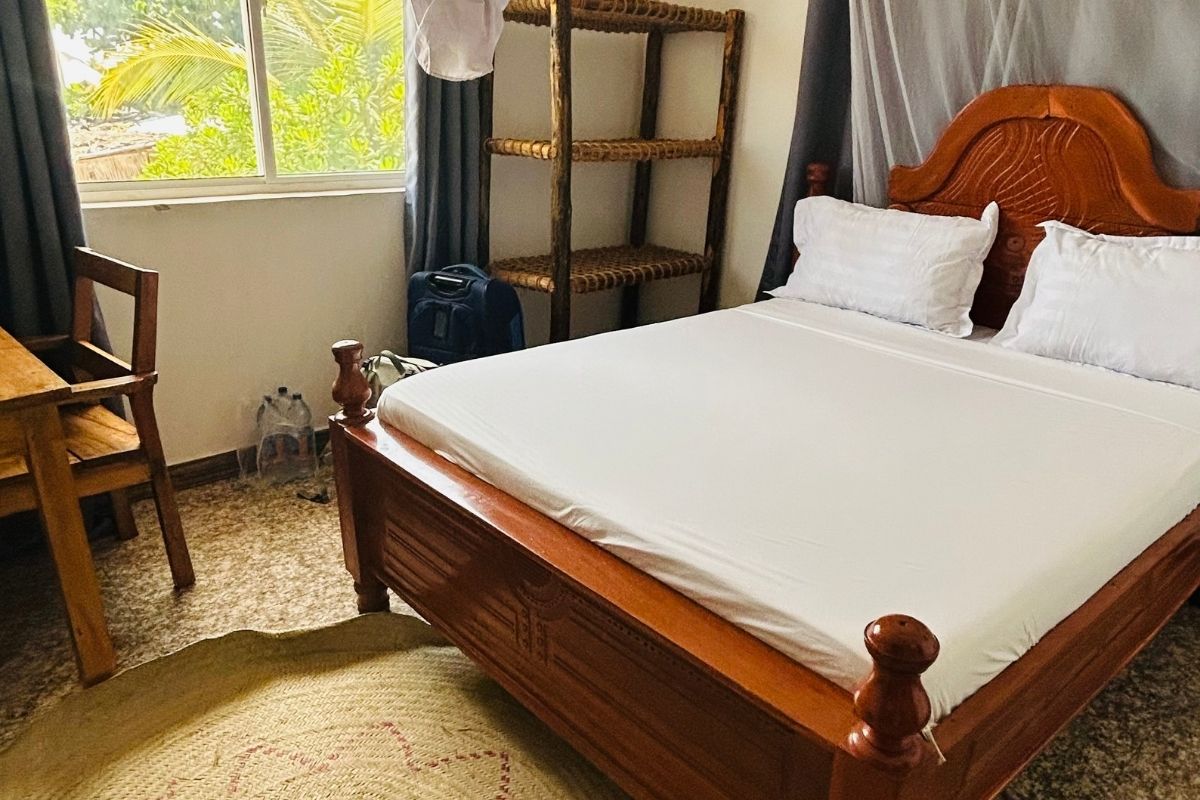
A one-bedroom apartment in a beach area like Paje, Jambiani, Nungwi or close to Stone Town usually starts around 500 USD per month, and you can almost always negotiate that down to 400 to 450 USD if you pay cash and stay for two months or longer. I personally found a cozy apartment with a pool right outside and a ten minute walk to the beach for 460 USD all in, just by reaching out to the owner directly instead of booking through Airbnb.
Pro tip
Find a place on Airbnb that looks right, then message the owner outside the platform and ask for a longer-stay direct booking. I have saved up to 30 percent doing exactly this, just by being friendly and committing to two months.
If you are travelling on a tighter budget, you can drop to roughly 300 USD per month by staying a bit outside the main tourist centres, sharing a place or going for a guesthouse. Hostels start at around 10 USD per night, which is handy if you are just arriving and want a few days to look around.
On the comfort end, two bedroom villas with garden or pool often go for 600 USD and up, often including water, electricity and Wi-Fi. Always ask exactly what is included before you book, especially utilities, otherwise you can get a small surprise at the end of the month.
Food and groceries: cheap if you eat local
Food is one of the most fun parts of Zanzibar, and probably where the gap between local and tourist prices is widest.
A simple local meal at a place like Lukmaan in Stone Town costs around 2 USD. You get biryani, pilau, fresh fish, ugali and seasonal veg in generous portions. A more touristy lunch at a beachfront restaurant in Paje is closer to 10 USD, and dinner with drinks at a nicer spot can land at 15 to 25 USD.
If you cook at home, local markets are full of spices, coconut, mangoes, bananas, vegetables and fresh fish at very low prices. Once you stop reaching for imported brands, your grocery bill drops fast. Imported items like Western breakfast cereal, organic snacks and specialty coffee are noticeably expensive and can easily double your weekly food spend if you rely on them.
A realistic monthly food budget looks like this:
- Cook mostly at home, eat out 2–3 times a week: 150 USD
- Eat out daily at local places, cook sometimes: 250 USD
- Mostly tourist restaurants and beach clubs: 400 USD or more
Honest moment
"I spent my first week ordering tourist breakfasts because I did not know better. My food bill doubled. Then I found the local spots and life changed."

Transport: cheap and a bit adventurous
Getting around Zanzibar is genuinely affordable, you just need to know your options.
- Dala dala (local minibus): about 0.50 USD per ride, packed with locals, perfect for short hops.
- Shared tuk-tuk: roughly 0.34 USD (1.000 TZS) per ride, constantly running between villages.
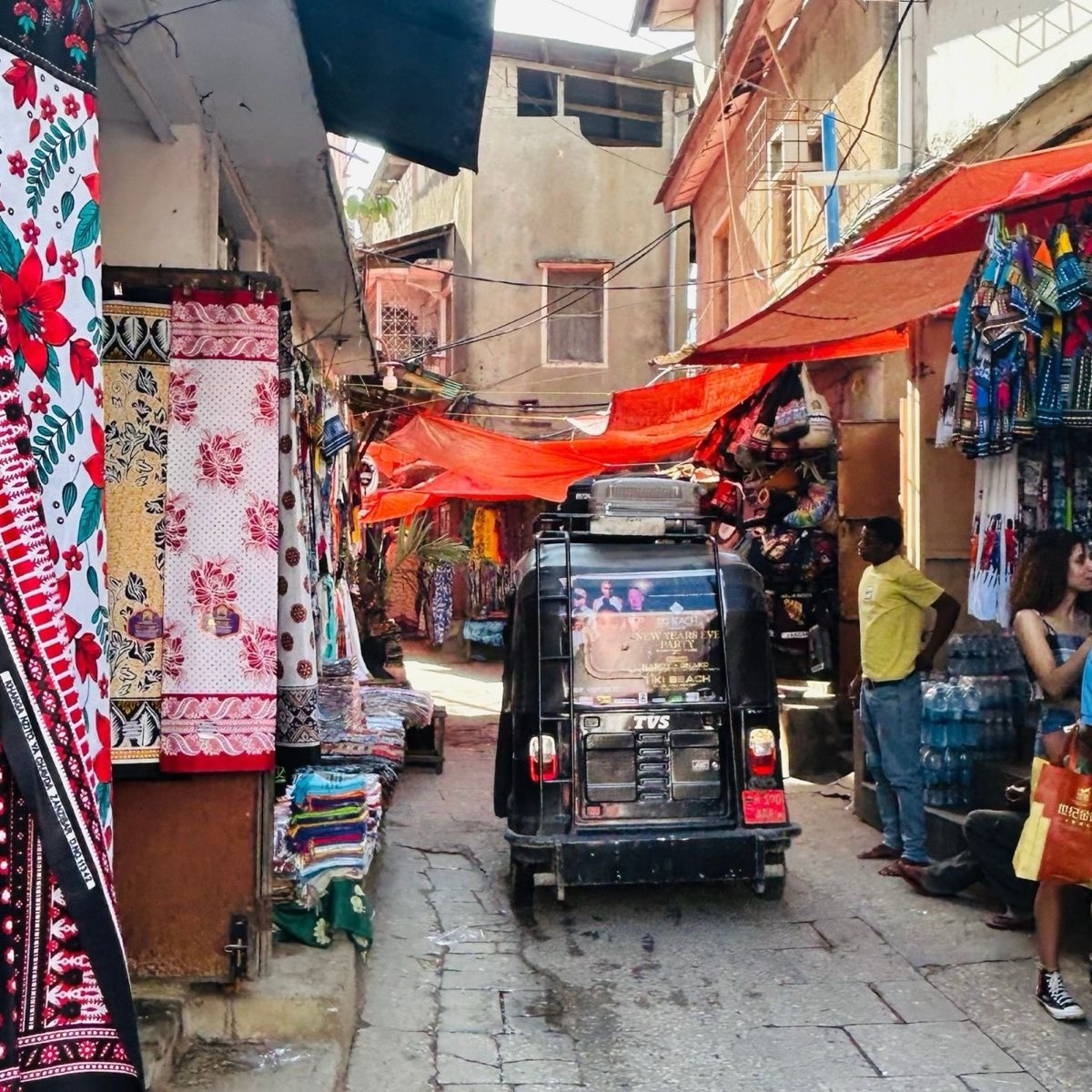
- Private tuk-tuk: 5 to 10 USD for longer rides, 3.000 to 10.000 TZS for short ones. Always negotiate before you sit down.
- Boda boda (motorbike taxi): quick and solo-friendly, slightly more careful in the rain or at night.
- Airport transfer with a trusted private driver: around 20 to 30 USD.
A monthly transport budget of 26 to 50 USD is realistic if you mix local options. If you take private tuk-tuks every day and a few long trips to other parts of the island, plan more like 100 USD.
Pro tip
Never sit down in a private tuk-tuk before you agree on the price. Counter their first quote with around 60 percent, smile, and settle somewhere in the middle. Nobody is offended, this is how the island actually works.
Internet, SIM and coworking spaces
For digital nomads, this is the line that actually decides whether Zanzibar works for you or not.
A local Yas SIM costs about 10 USD for 17 GB of fast data and is easy to top up through the app. I also brought a small router from Amazon (around 50 USD one-time) which gave me consistent 20 to 50 Mbps even in Paje, much more stable than just using my phone as a hotspot.
If you prefer working from a coworking space, day passes typically cost 15 USD, and monthly memberships are around 180 USD including unlimited coffee. Working from cafes is essentially free as long as you order a drink or a snack now and then, which is a great way to mix up your workdays.
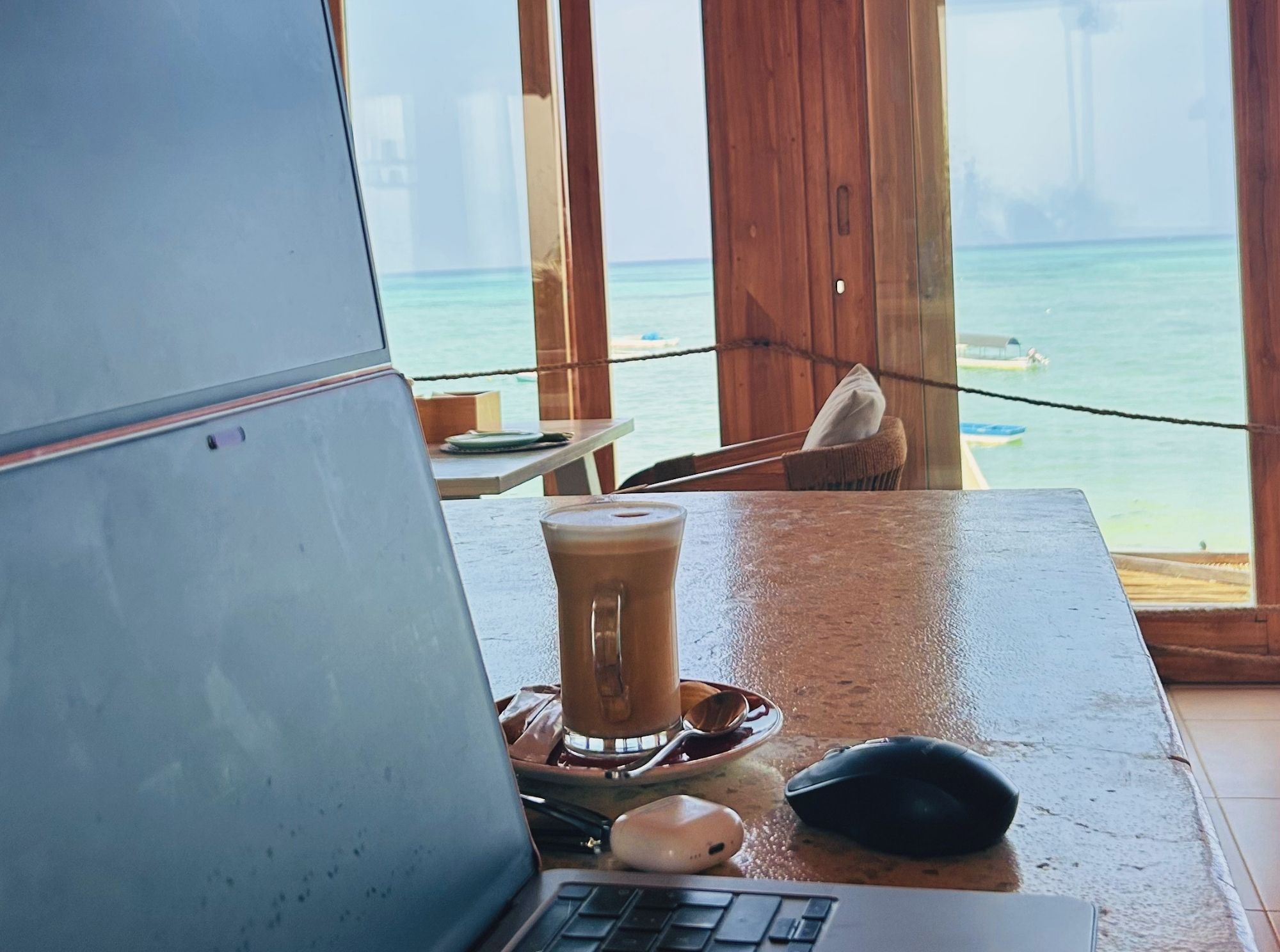
There are also a few free coworking spots in Paje that double as cafés, where you can sit all day with strong Wi-Fi, sea views and a great atmosphere as long as you order something every few hours. The photo above was actually taken at one of them. Shanga is the most well-known, and there are smaller cafés along the main beach road with the same vibe. For most digital nomads, this is the most cost-effective setup: rotate between two or three of these spots and you basically have a free coworking membership.
For most online work like SEO, writing, coaching, design or light tech, this setup is more than enough. Heavy video calls and uploads also work, you just want to test the connection before you commit to a place long term.
Insurance and paperwork
Two insurance items, both non-optional if you plan to stay a while:
- International travel health insurance with emergency evacuation. SafetyWing and World Nomads are popular with digital nomads, expect to pay 40 to 60 USD per month.
- ZIC insurance (Zanzibar Insurance Corporation, mandatory local cover): around 44 USD for 90 days. You buy it on the official ZIC website, get a QR code by email, and have to show it on arrival.
Visa-wise, the e-visa is around 50 USD and valid for 90 days, extendable up to 180 days depending on your situation. There is also a dedicated digital nomad visa for stays up to six months. More on this in my Zanzibar nomad guide.
Activities, gym and lifestyle
The fun line on your budget.
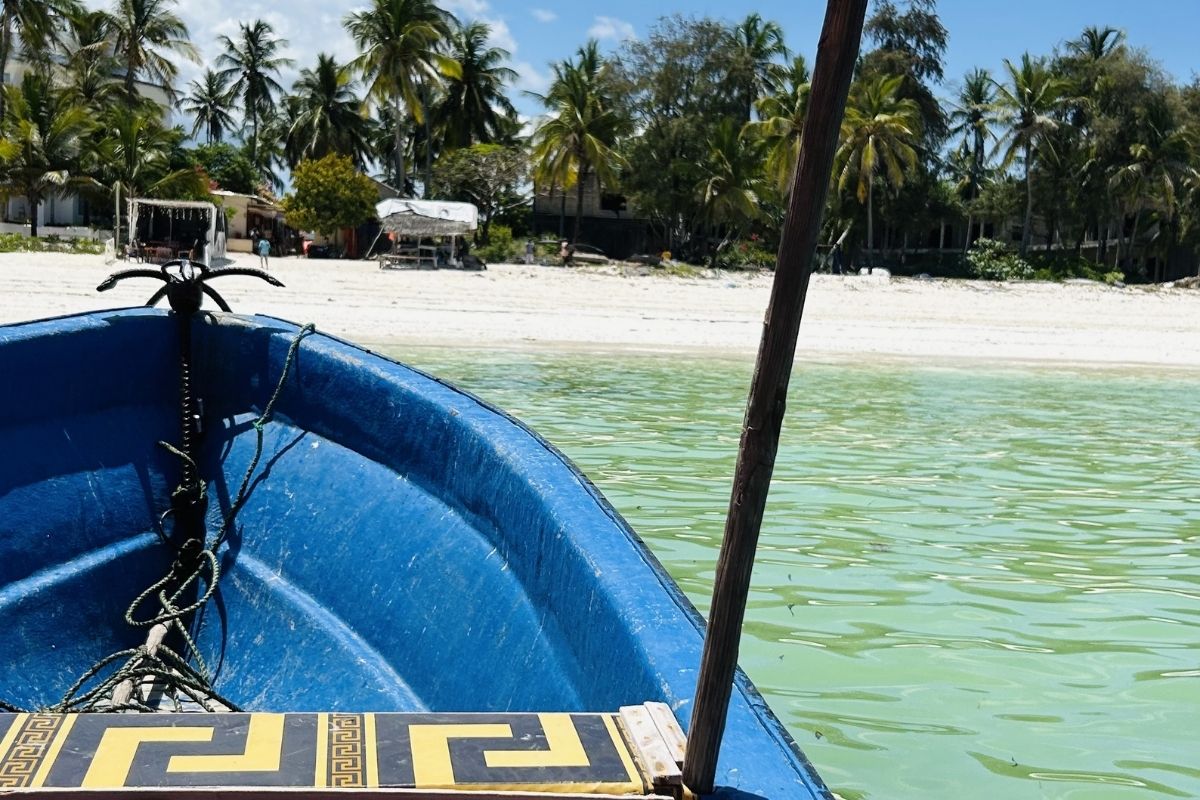
- Beach time and ocean swims: free, and probably your favourite cost line.
- Gym membership: around 20 USD per month (often negotiable from 70.000 TZS).
- Yoga class: 5 to 10 USD depending on the studio.
- Snorkelling Mnemba Atoll: 30 to 50 USD per trip.
- Kitesurfing lessons in Paje: 50 to 80 USD per lesson.
- Spice tour: 20 to 30 USD.
- Dolphin and turtle trips from Kizimkazi: prices vary a lot, negotiate.
Realistic monthly entertainment budget for someone who actually goes out and does things: 100 to 200 USD. Lower if you mostly stay in your village and swim every day.
Hidden costs nobody warns you about
A short, honest list of things that surprised me my first month.
- Power cuts: not expensive, but you need either a power bank or to be okay losing a few work hours. Budget for a 100 USD laptop power bank if you do not already have one.
- Bottled water: cheap per bottle but you buy a lot. Around 5 to 10 USD per month.
- Tourist double pricing: at markets and many tuk-tuks, the first quoted price is far above the local one. Always counter-offer.
- Card fees and cash withdrawals: ATMs charge fees, and many places only take cash, so plan for some withdrawal cost every couple of weeks.
- Mental cost of bargaining: real, takes a few days to get used to.
Zanzibar vs other digital nomad hubs
Rough monthly comparison for a comfortable single-person budget in 2026:
| Destination | Monthly cost | Notes |
|---|
| Zanzibar | 550–650 USD | Cheap, smaller community, real bargaining |
| Bali (Canggu) | 1.200–1.800 USD | Bigger community, polished coworking, traffic |
| Lisbon | 1.800–2.500 USD | EU-perfect timezone, expensive rent |
| Chiang Mai | 800–1.200 USD | Cheap and friendly, big community |
| Mexico City | 1.500–2.200 USD | Great food, traffic, gentrification debate |
| Cape Town | 1.000–1.500 USD | Beautiful, watch the rand exchange rate |
Zanzibar genuinely is one of the cheapest serious destinations for digital nomads in 2026, and one of the few in Africa with a growing community.
Three real budget profiles
To make it concrete, here are three plausible monthly budgets, none of them invented.
The Backpacker
≈ 550 USD/mo
- Shared room / guesthouse300
- Cooking + local food only150
- Dala dala and walking26
- SIM + utilities80
Most realistic
The Comfortable Nomad
≈ 900 USD/mo
- 1BR near beach (negotiated)500
- Local + tourist meals mix250
- Tuk-tuks + occasional bike50
- Utilities + coworking pass132
The Luxury Nomad
≈ 1.200 USD/mo
- 2BR villa with pool600+
- Tourist restaurants + trips400
- Private driver longer rides100
- Coworking + activities150+
How to save money in Zanzibar without feeling stingy
A few habits that compound over a month:
- Book directly with the owner instead of through Airbnb, especially for 1+ month stays. You can save 20–30%.
- Long-term blocks: ask for the price for 2 or 3 months upfront. Locals love stable bookings and you get a real discount.
- Get a local SIM on arrival, do not rely on roaming.
- Buy fresh at markets, not at western-style supermarkets. The price difference is dramatic.
- Counter every first quoted price, calmly. Aim for fair, not the lowest.
- Pay cash where possible, not card.
If you want a much more detailed breakdown of how to set up internet, power, visas and the rest of it, I wrote a full Zanzibar digital nomad guide covering all of it.
How much does it cost to live in Zanzibar? Quick recap
Before we get to the verdict, here is the short version of the cost of living in Zanzibar in 2026, all in USD per month:
- Budget nomad: ≈ 550 USD
- Comfortable nomad: ≈ 900 USD
- Luxury nomad: 1.200 USD or more
The biggest swing factors are rent (negotiate, stay longer) and food (eat local). Get those two right and you can knock 200 to 300 USD off your monthly bill without feeling like you are sacrificing anything.
Is Zanzibar actually worth it for digital nomads in 2026?
If you are looking for a polished, plug-and-play nomad hub like Bali or Lisbon, Zanzibar will frustrate you. The internet sometimes drops, the power goes out, the bargaining is real, and the community is small.
If you are okay with some friction in exchange for warm weather year-round, a calmer pace, real ocean instead of pool selfies, and one of the lowest cost-of-living rates in any serious nomad destination, Zanzibar is hard to beat in 2026.
For more on the realistic, non-Instagram side of life here, you might also like my piece on the unspoken side of digital nomad life.
Cost of living in Zanzibar: frequently asked questions
How much does it cost to live in Zanzibar per month?
The cost of living in Zanzibar in 2026 is around 900 USD per month for a comfortable digital nomad lifestyle, 550 USD if you live on a tight budget, and 1.200 USD or more if you go full luxury with a villa and tourist restaurants.
Is Zanzibar cheaper than Bali for digital nomads?
Yes, Zanzibar is roughly 40 to 55 percent cheaper than Bali for a comparable digital nomad lifestyle. A comfortable Zanzibar setup at around 900 USD per month is about half of what the same lifestyle costs in Canggu or Ubud.
How much is rent in Zanzibar for a one-bedroom apartment?
A one-bedroom apartment near the beach in Paje, Jambiani, Nungwi or Stone Town typically rents for 400 to 500 USD per month if you negotiate directly with the owner and stay for two months or longer. Without negotiation, the same place often lists for 500 to 700 USD on Airbnb.
Can you live in Zanzibar on 500 USD a month?
Yes, you can live in Zanzibar on around 550 USD a month if you stay in budget accommodation or a shared place, cook with local market ingredients, take dala dalas for transport and skip expensive tourist activities. It is doable but requires actively choosing the local lifestyle over the tourist one.
Is Zanzibar a good destination for digital nomads in terms of cost?
For pure cost of living, Zanzibar is one of the most affordable serious digital nomad destinations in 2026. The combination of low rent, cheap local food, basic but workable internet and warm weather year-round makes it a strong budget pick, especially for European nomads since the time zone is at most one hour ahead.
Final thoughts
Zanzibar costs about 900 USD per month for a comfortable digital nomad lifestyle, around 550 USD if you negotiate well and live local, more if you treat every day like a holiday. The math is friendly, the lifestyle is real, and you genuinely save money compared to almost any other nomad hub of the same quality.
If you want to experience Zanzibar with structure, a small group of focused people and an actual outcome at the end (not just a tan and a fading high), the next goldenweeks accountability retreat takes place in November 2026 on the island. Eight people, two weeks, real progress on the project you keep postponing.
You can also join the local nomad community before you fly, the Digital Nomads Zanzibar WhatsApp group is the easiest way to ask real-time questions about apartments, cafes and what is actually open this season.
Lakisha


